


Dora: Find Real Companionship
4.120.47K Reviews
App Specs
- Version
- 1.2.15
- Updated On
- License
- Free
- Downloads
- 500,000+
- Developer
- aprilsaidev
- Categories
- Social
- Platform
- Android
Screenshots

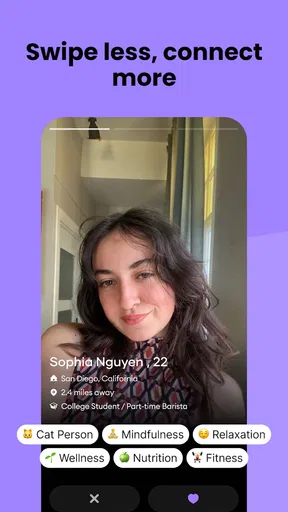
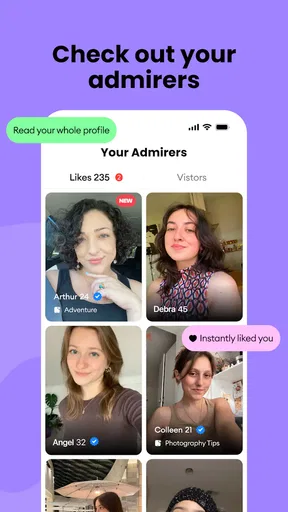
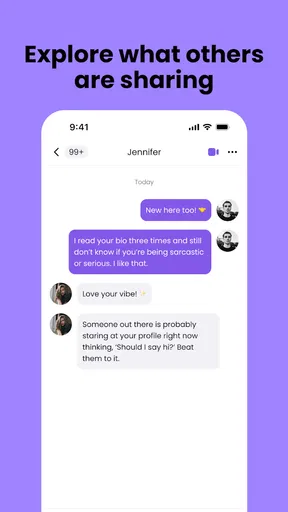
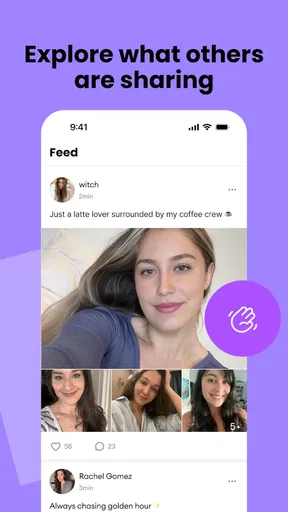
 Analysis by AppCompare
Dating apps often make conversation feel like a race: match quickly, reply quickly, decide quickly. Dora: Find Real Companionship takes a gentler position. I found it most interesting not because it tries to turn dating into a game, but because it encourages a slower, more deliberate way of meeting adults who want an actual connection. That difference affects how I used my attention, how I approached messages, and how comfortable I felt setting limits.
This is a free social app from aprilsaidev, aimed at mature users and listed for adults aged 17 and over. It has reached more than 500 thousand installs, with an average rating of 4.1 from roughly 32 thousand ratings. Those figures suggest that Dora has found an audience, although they do not remove the need to judge whether its style suits you. In my experience, the app makes the most sense for someone tired of shallow exchanges and willing to invest a little more thought in each conversation.
Why Dora feels different from a fast-swiping routine
The usual dating-app habit is easy to recognize. You open the app during a spare moment, look through profiles, make quick decisions, and leave with several conversations competing for your attention. That can be convenient, but it also creates a strange communication rhythm. People begin to treat replies as obligations, silence as a verdict, and every new match as something that must be managed immediately.
Dora: Find Real Companionship feels better suited to people who want to interrupt that cycle. I did not approach it as a place to collect matches. I approached it as a tool for finding a smaller number of conversations worth continuing. That change sounds minor, but it affects the quality of the experience. Instead of asking, “How many people can I reach?” I found myself asking, “Do I actually want to give this person my attention?”
That is the app’s strongest idea. It places companionship ahead of constant activity. The experience is still social and dating-focused, but the useful outcome is not simply more contact. It is clearer contact. When a profile or message gives you enough to respond to thoughtfully, you can move past the empty opening lines that make many dating platforms tiring.
I would recommend it to an adult who prefers calm exchanges, values emotional clarity, and does not need a large stream of instant reactions. It is less suitable for someone who enjoys rapid matching, wants a highly energetic social feed, or measures success by the number of daily interactions. Dora asks you to be selective, and that can feel refreshing or restrictive depending on what you expect from dating.
Starting with a more useful intention
A practical way to use Dora is to decide your communication goal before opening it. Are you looking for a serious relationship, a meaningful conversation, or simply a chance to meet someone with similar interests? I found that having an answer makes the app easier to navigate emotionally. Without one, it is easy to drift into browsing because browsing feels productive even when it does not lead anywhere.
Worth Reading Before You Choose

EA SPORTS FC Mobile 26 Is a Bigger Football Game, but It Takes Time

Flipboard Shows What News Apps Must Do Beyond the Feed

Switching to Android Auto Means Rethinking Your Driving Routine

Google Calendar Makes a Crowded Week Easier to Manage

Ludo King Makes the Most of the Minutes Between Plans

Baby Panda World Brings Quick Play to Modern Phones, but Its Game Library Feels Busy
The app’s warm tone supports this kind of intention, but users still have to do the work. No dating service can create honesty automatically. A thoughtful profile, a clear message, and a willingness to say what you want matter more than any individual screen. Dora works best when you treat it as a setting for communication rather than a machine that will solve loneliness for you.
One useful habit is to write a first message that refers to something specific instead of sending a general greeting. This is not a special trick tied to a hidden button; it is a way of making the app’s slower mood work in your favor. A specific question gives the other person a real opening, while a vague message creates another small task for both of you.
How the conversation rhythm changes
My favorite part of the experience was the way it made pauses feel less dramatic. On faster platforms, a delayed reply can seem like a rejection because the entire system trains you to expect immediate movement. With Dora, I found it easier to let a conversation breathe. That does not guarantee better matches, but it reduces the pressure to perform constant enthusiasm.
There is a trade-off. A slower rhythm can also mean that conversations take longer to reveal whether they have potential. If you want quick confirmation, you may find the pace frustrating. I sometimes wanted a clearer sense of direction earlier, especially when a conversation stayed polite but did not become personal. The app rewards patience, but patience should not mean carrying a one-sided exchange indefinitely.
I suggest using a simple checkpoint after a few exchanges: am I learning something about this person, are they asking about me, and does the conversation feel comfortable rather than merely active? Those questions are more helpful than counting messages. They also protect your attention. A conversation that produces notifications but no curiosity is not necessarily worth continuing.
Dora is particularly useful for people who communicate better when they can think before replying. If you dislike the pressure of instant banter, the app’s companionship-oriented approach may feel more natural than platforms built around rapid reactions. On the other hand, users who prefer voice-first or highly immediate interaction may find the experience too dependent on written communication and personal initiative.
Attention is the real cost of dating apps
Free access makes Dora easy to try, but “free” does not mean costless. The main price I noticed was attention. Every profile, message, and possible connection asks you to make a small decision. Those decisions accumulate quickly, especially when you check the app whenever you feel bored or lonely.
I got a better experience by giving the app a defined place in my day instead of opening it whenever a notification appeared. A short, deliberate session helped me read profiles properly and answer with more care. It also made it easier to stop. This is an important distinction: Dora can support calmer communication, but only if you avoid turning it into another endless scrolling habit.
The current version is 1.2.14 and supports devices running Android 8.0 or later. That makes it accessible to people using older Android phones, although the quality of any dating experience still depends on the phone’s general performance, typing comfort, and notification setup. I would check those basics before judging the app’s communication style. A cramped keyboard or unreliable alerts can make a thoughtful service feel unnecessarily difficult.
In-app purchases range from $3.99 to $99.99 per item. I would approach those options carefully rather than assuming that spending will improve the quality of a connection. Paid extras may be useful to some people, but they do not replace profile judgment, mutual interest, or respectful conversation. My advice is to use the free experience long enough to understand whether Dora’s rhythm suits you before considering any purchase.
A small but important workflow is to separate discovery from replying. I found it less tiring to look at potential connections at one time and answer existing conversations at another. Mixing both activities encourages impulsive choices and makes every session feel unfinished. Separating them gives each person more attention and makes it easier to notice which conversations are genuinely mutual.
Boundaries are part of the experience
A companionship-focused app can make people feel hopeful, but hope should not weaken personal boundaries. I found Dora most comfortable when I decided in advance what I was willing to discuss, how quickly I wanted to move, and what would make me end a conversation. Clear limits are not a sign that you are closed off; they are what allow openness to remain safe and sustainable.
For example, you do not need to answer every question simply because someone asked it. You can redirect a topic, take a break, or stop replying when the exchange no longer feels respectful. If someone pushes for personal details before trust exists, that is useful information about the conversation itself. A warm app atmosphere should never be confused with a requirement to be endlessly available.
I also recommend keeping the early stage focused on compatibility rather than disclosure. Talk about interests, routines, values, and the kind of connection you want before sharing details that could identify where you live, work, or spend time. This is not a criticism specific to Dora; it is a sensible boundary for any dating service. The app can help people meet, but users remain responsible for deciding what access another person earns.
Another boundary concerns emotional labor. Some conversations become intense very quickly, particularly when both people are looking for companionship. If you notice that you are constantly reassuring someone, explaining your availability, or trying to keep an uncertain exchange alive, step back. Dora is better used as a place to discover mutual interest than as a substitute for a support network or professional help.
For users aged 17 and over, the mature rating is an important reminder to treat the app as an adult-oriented social environment. I would not recommend casual use by younger teenagers simply because they can navigate a phone. Parents and guardians should take the age classification seriously, while adult users should remember that maturity is shown through consent, honesty, and respect rather than just age.
Where it beats familiar alternatives
Compared with a conventional swipe-heavy dating app, Dora’s advantage is its emotional pacing. The usual alternative is often better when you want a broad pool, rapid feedback, and a highly active stream of profiles. Dora is better when that abundance has started to feel noisy or when you want to give conversations more room to develop.
Compared with social networks, Dora has a clearer purpose. A general social platform may offer more ways to share interests and maintain long-term communities, but its dating intention can remain ambiguous. Here, the reason for connecting is easier to understand. That clarity can save time, especially for someone who does not want to guess whether a friendly exchange is romantic, social, or simply casual.
Compared with messaging someone through a community or forum, Dora also creates a more direct path toward companionship. The drawback is that directness can make mismatched expectations visible sooner. That is not always comfortable, but I consider it healthier than spending weeks interpreting vague signals. If you prefer relationships to grow indirectly through shared activities, a hobby community may still be a better fit.
The app’s biggest limitation is that a calm communication philosophy cannot guarantee a calm user base. People bring their own habits into any social space. You may still encounter short replies, inconsistent attention, or conversations that fade without explanation. Dora can make those situations easier to handle by reducing the pressure to keep moving, but it cannot eliminate ordinary dating uncertainty.
Who should try it, and who should skip it
I think Dora is worth trying if you want meaningful adult conversation, prefer a less frantic pace, and are prepared to make deliberate choices. It is also a good option for someone who has become tired of treating dating like a daily performance. The free entry point makes it reasonable to explore without committing immediately to a paid plan.
I would skip it if your priority is maximum volume, instant replies, or a strongly gamified experience. It may also disappoint you if you expect the app to provide a complete relationship process from first message to meeting in person. The most important steps still happen through judgment and communication outside the interface.
Someone with limited time can still use it successfully, but only with boundaries. A brief check-in, a few thoughtful replies, and a willingness to close inactive conversations are more sustainable than trying to respond to everyone. Someone with plenty of time should be equally careful, because extra availability can turn into overuse rather than better connection.
My final view after using Dora
Dora: Find Real Companionship is a dating app with a clear emotional preference: fewer rushed interactions and more attention to the quality of a connection. I appreciated that direction because it made me reconsider how quickly I usually judge a message and how easily dating apps can consume small pieces of the day.
It is not a magic answer to loneliness, and it is not the strongest choice for people who want constant activity or a large, fast-moving social marketplace. Its value appears when you use it with intention. Write messages that invite real answers, notice whether effort is mutual, protect your personal information, and leave conversations that repeatedly drain you.
With a 4.1 average and a growing audience, the app has enough visibility to be a credible option for adults exploring a different dating rhythm. The developer, aprilsaidev, presents a service that is simple in its central idea, even though the results depend heavily on the people using it. I would recommend giving it a fair trial if your main goal is clearer, more respectful communication rather than constant matching.
My social verdict is positive but selective. Dora is best for the person who wants companionship and is willing to build it patiently, one conversation at a time. If that sounds like you, the app may help dating feel less like a stream of interruptions and more like a series of choices you can make with your full attention.
Pros
- Encourages deeper conversations beyond quick swipes
- Profile prompts make it easier to show your personality
- Designed for users seeking meaningful
- lasting connections
- Clean interface keeps browsing simple and focused
- Useful for people tired of superficial dating apps
Cons
- Smaller user base may limit matches in less populated areas
- Some features may require a paid subscription
- Matching quality depends heavily on honest profile details
- Fewer casual dating options than mainstream dating apps
- Response rates can vary significantly between users
FAQs for Dora: Find Real Companionship
What is Dora: Find Real Companionship?
Dora: Find Real Companionship is a social and relationship-focused app designed to help people connect with others in a more personal way. Instead of simply browsing profiles, users can explore conversations and potential connections based on shared interests, preferences, and communication. The app is intended for people looking for meaningful companionship, whether that means friendship, emotional support, or a possible romantic relationship.
How does Dora help users find compatible companions?
Dora typically uses the information you provide during setup, along with your interests and activity within the app, to suggest people who may be a good match. The experience focuses on discovering common ground and starting conversations rather than relying only on photographs or quick swipes. The quality of recommendations will depend on how complete and accurate your profile is and how actively you participate.
Is Dora: Find Real Companionship free to download and use?
The app may be available to download at no initial cost, but some features can require in-app purchases, a subscription, or other paid access. Depending on the current version, advanced discovery tools, messaging options, visibility features, or additional personalization may be limited for free users. Before subscribing, review the pricing, renewal terms, and cancellation instructions shown in the relevant app store.
Is Dora safe for meeting and chatting with new people?
Dora can provide tools intended to support safer online interaction, but no social or companionship app can guarantee that every profile is genuine or that every conversation will be positive. Avoid sharing passwords, financial information, private documents, or your exact home address. Use the app’s reporting and blocking options when necessary, and arrange any in-person meeting in a public place while informing someone you trust.
What should I know before creating a Dora account?
Before signing up, consider what type of companionship you want and how much personal information you are comfortable sharing. A thoughtful profile can improve recommendations, but you should still protect your privacy and check the app’s permissions and privacy policy. Availability, features, age requirements, and account options may vary by country and device, so confirm these details before completing registration.


